
What Are Research Peptides? A Clear Scientific Overview
Research peptides are short chains of amino acids studied in laboratory environments to better understand biological signalling, receptor interaction, and molecular regulation.
They are tools used in scientific investigation — not finished pharmaceutical products.
Understanding what they are (and what they are not) is essential.
What Is a Peptide?
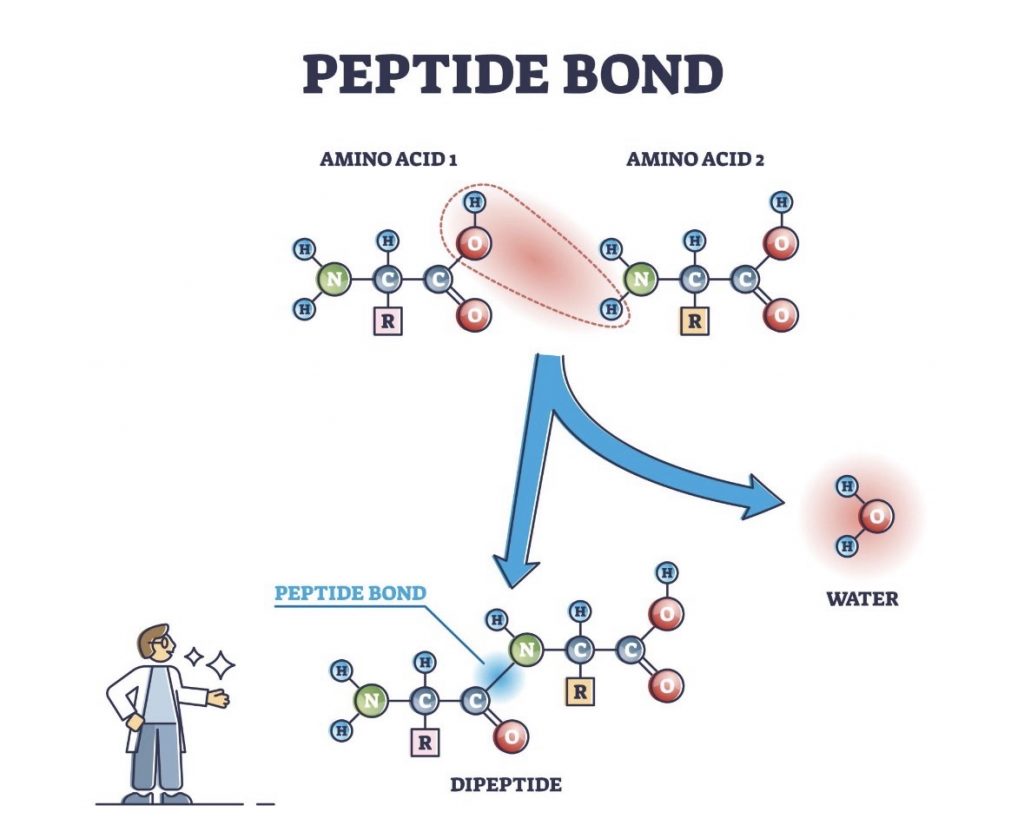
A peptide is a molecule made from amino acids linked by peptide bonds.
2–50 amino acids = peptide
50+ amino acids = typically classified as a protein
Peptides play key roles in biological systems, including:
Cellular communication Hormonal signalling Enzyme regulation Immune responses
Because of their precision and specificity, peptides are widely studied in biomedical research.
Why Are Peptides Studied?
Researchers investigate peptides to explore:
Receptor activation pathways Metabolic regulation Endocrine signalling Cell growth mechanisms Neurological signalling systems
Peptides can bind selectively to receptors, making them useful in understanding how specific pathways function.
How Research Peptides Differ From Medications
It is important to distinguish between:
Research-grade peptides
Manufactured for laboratory investigation Supplied in lyophilised (powder) form Used in controlled research environments
Licensed pharmaceuticals
Approved for clinical use Subject to regulatory trials Prescribed under medical supervision
Research peptides are not authorised medicines.
Why Stability and Purity Matter:
In laboratory settings, even minor variation can affect experimental outcomes.
Researchers therefore prioritise:
Verified purity (via HPLC analysis) Controlled storage conditions Batch traceability Proper handling technique
Scientific integrity depends on material quality.
The Role of Lyophilisation
Most research peptides are supplied freeze-dried to preserve structural integrity.
Removing water reduces:
Hydrolysis risk Oxidation Degradation during storage
This improves stability prior to reconstitution.
Conclusion
Research peptides are specialised molecular tools used to explore complex biological systems.
Their value lies in:
Precision Selective receptor interaction Analytical verification Controlled handling
Understanding these fundamentals supports informed, responsible laboratory research.
FAQ
Are research peptides medicines?
No. They are supplied for laboratory research purposes only.
Why are they provided as powder?
Freeze-drying improves stability and shelf life.